If you would prefer to listen - it’s a long one - click here.
Howdy palm people. It’s me - not actually writing from a moving train carriage but instead the cosy study above Gulp Fiction in Oxford, an indie book store with a cafe and bar, and the added allure of getting a free hot beverage when you buy certain titles. If you’re interested, I bought Pretentiousness: Why It Matters by Dan Fox, because honestly I’ve always thought pretentiousness gets a bad rep.
I’m here for my second FRONDS report, on the penultimate day of my first research visit, completing 2-weeks in England across London, Oxford, Torbay and East Devon. I’ll try not to spend too long waxing about what a dream it’s been, but I do feel very lucky, and the need to briefly mention the joy of real sunshine, and shingle and seaweed, clotted cream, childhood friends, and of course precious time with my parents. Something that has also been abundant and beautiful throughout this trip has been the generosity of both the dear friends I’ve stayed with, my family, and the fantastic staff and volunteers at the museums, libraries, gardens and archives that I have visited along the way. This second update will focus primarily on initial learning done with these collections, as behind-the-screen I process the hundreds (!) of photos taken during my visit, and work my way through digitising them.
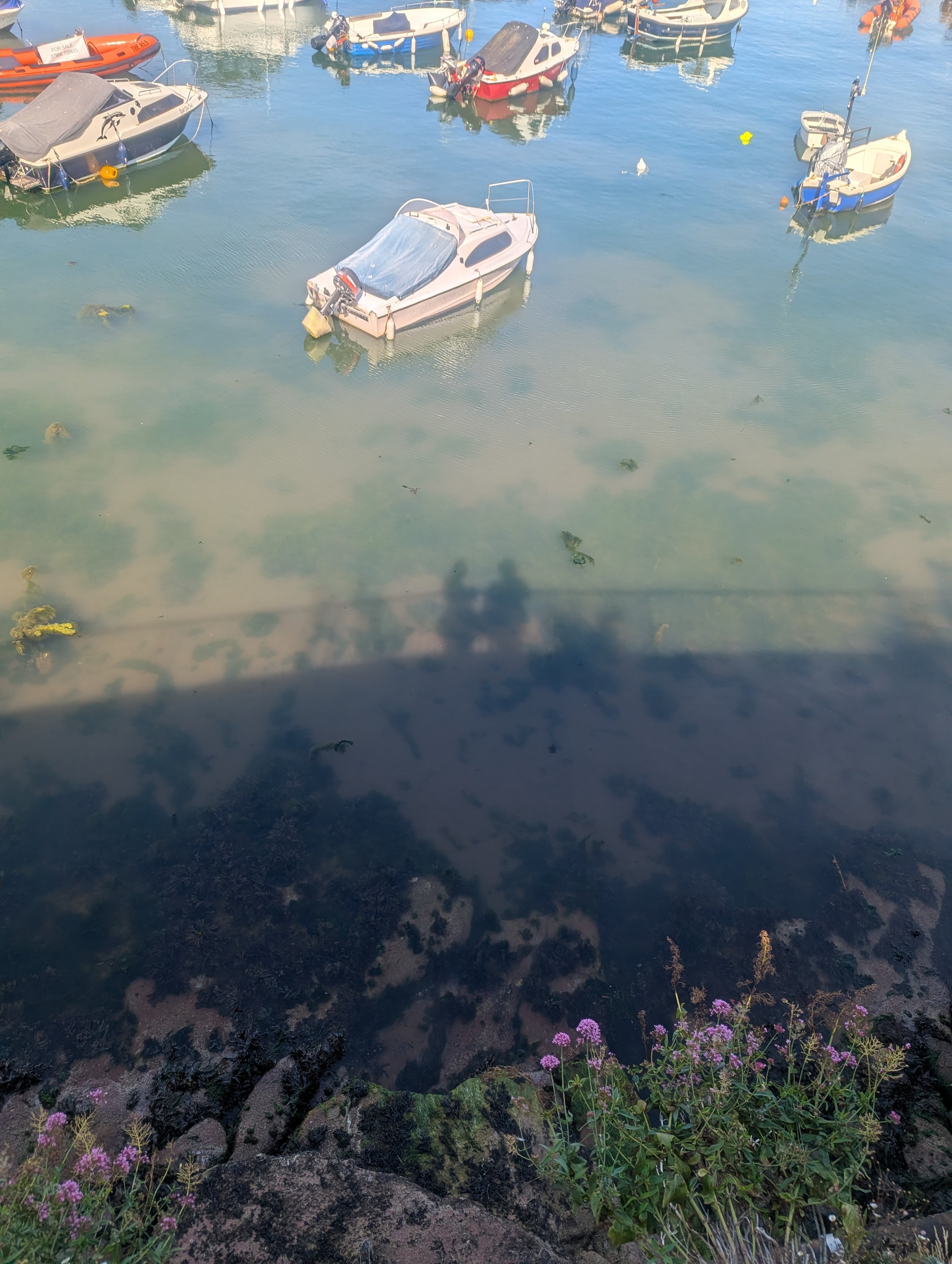
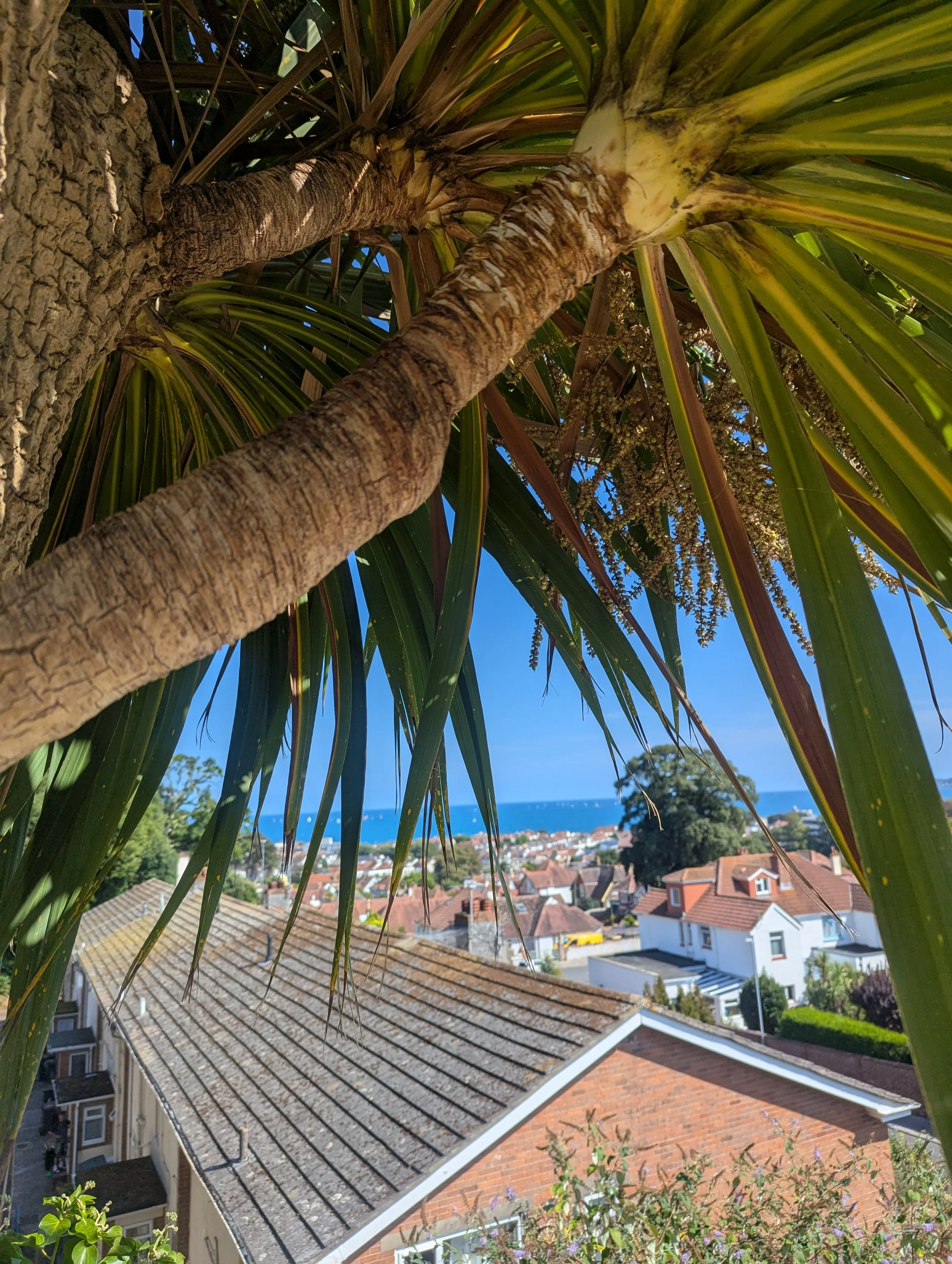
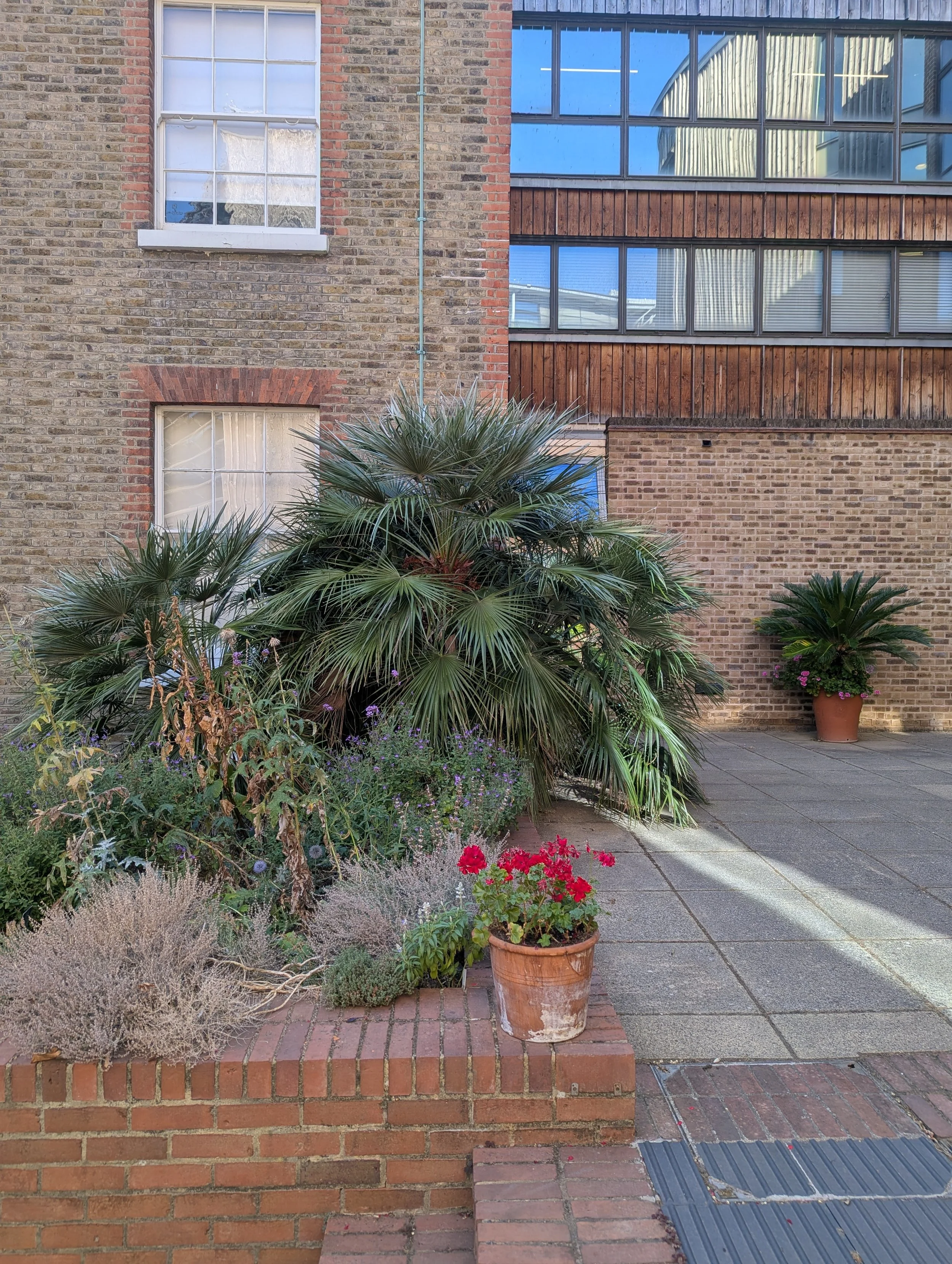
So, more on the new photographic work and some of Zoe’s plant dev experimentation to follow, but for now photos here are from my phone:
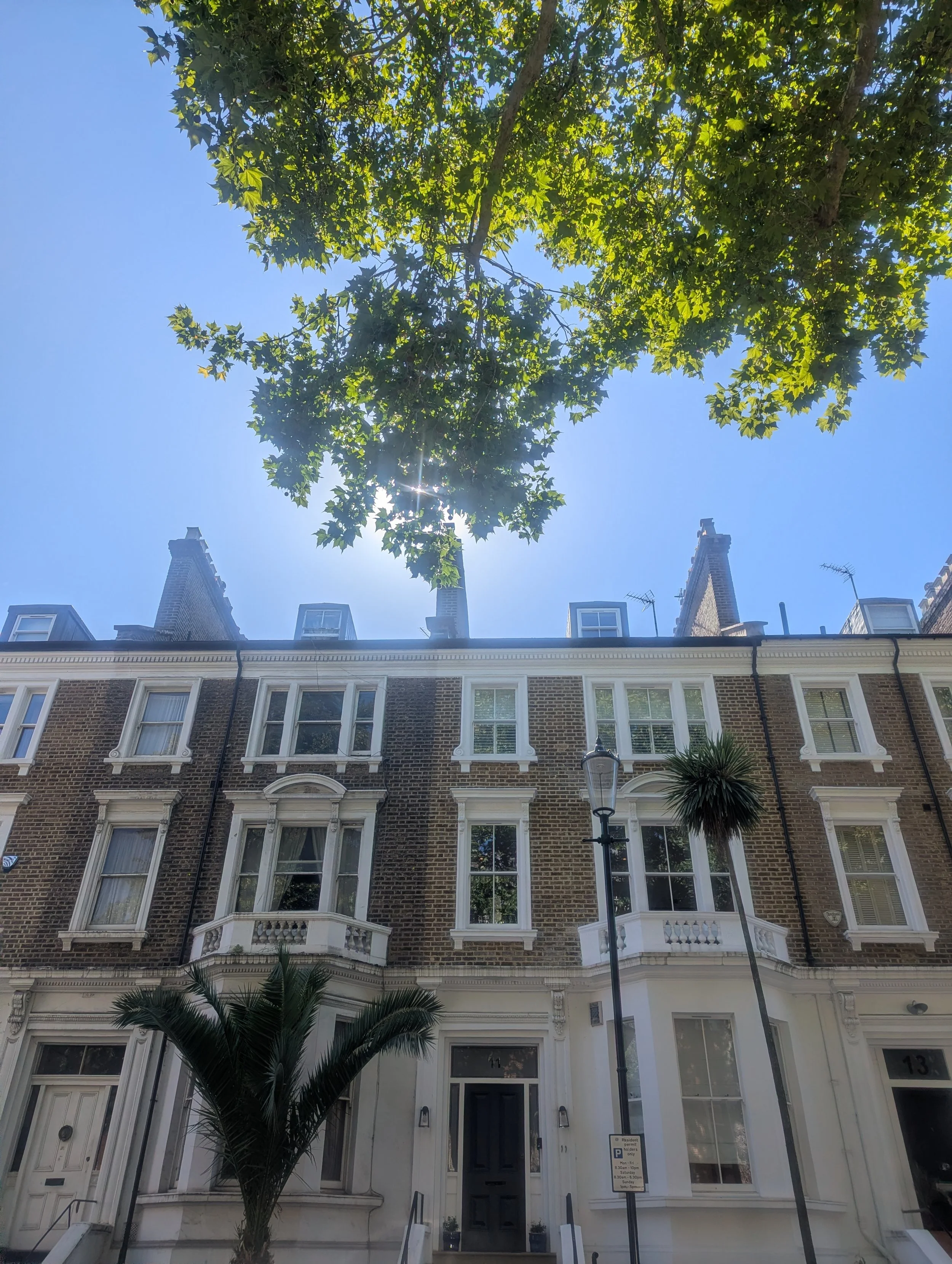
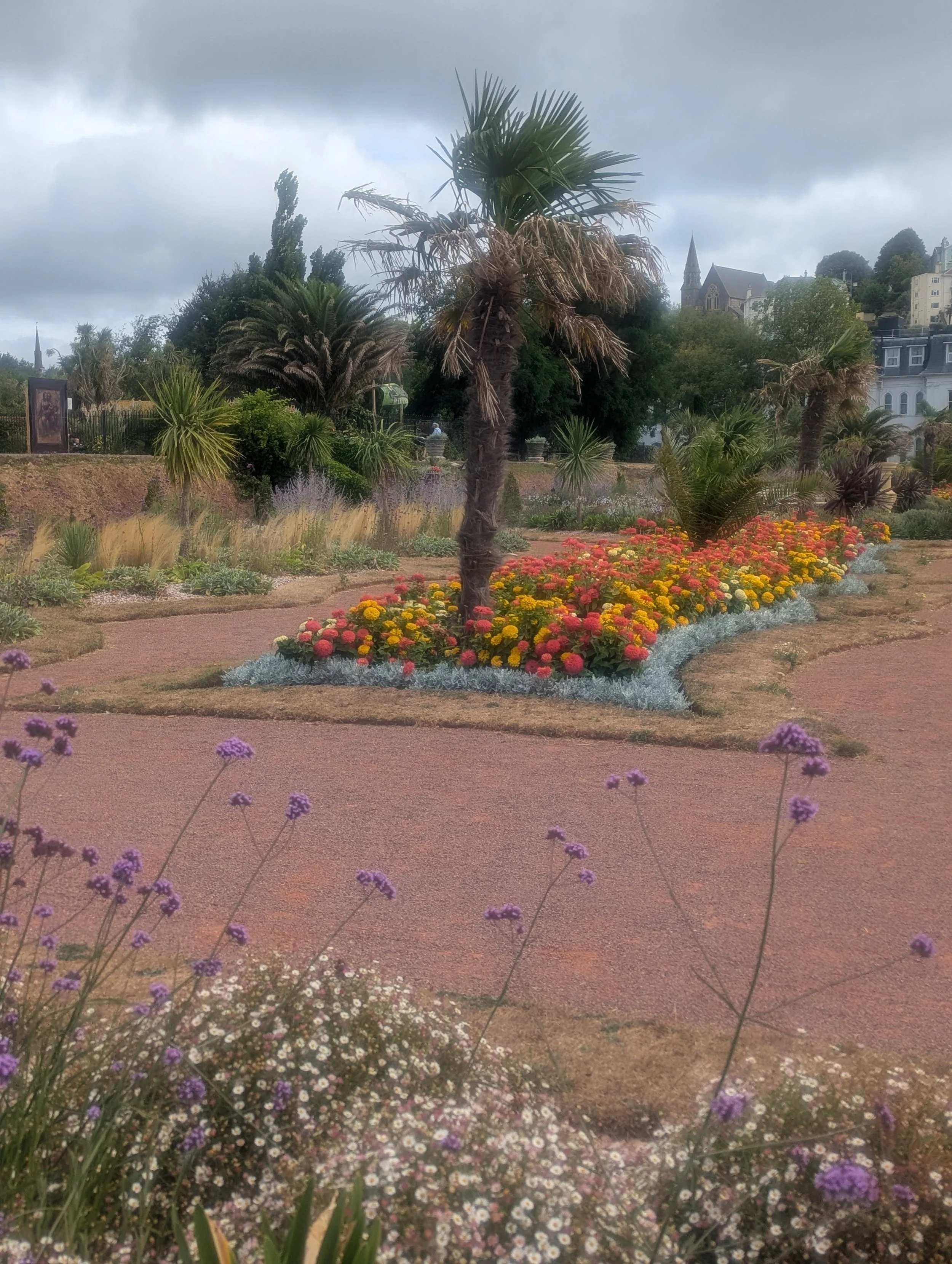
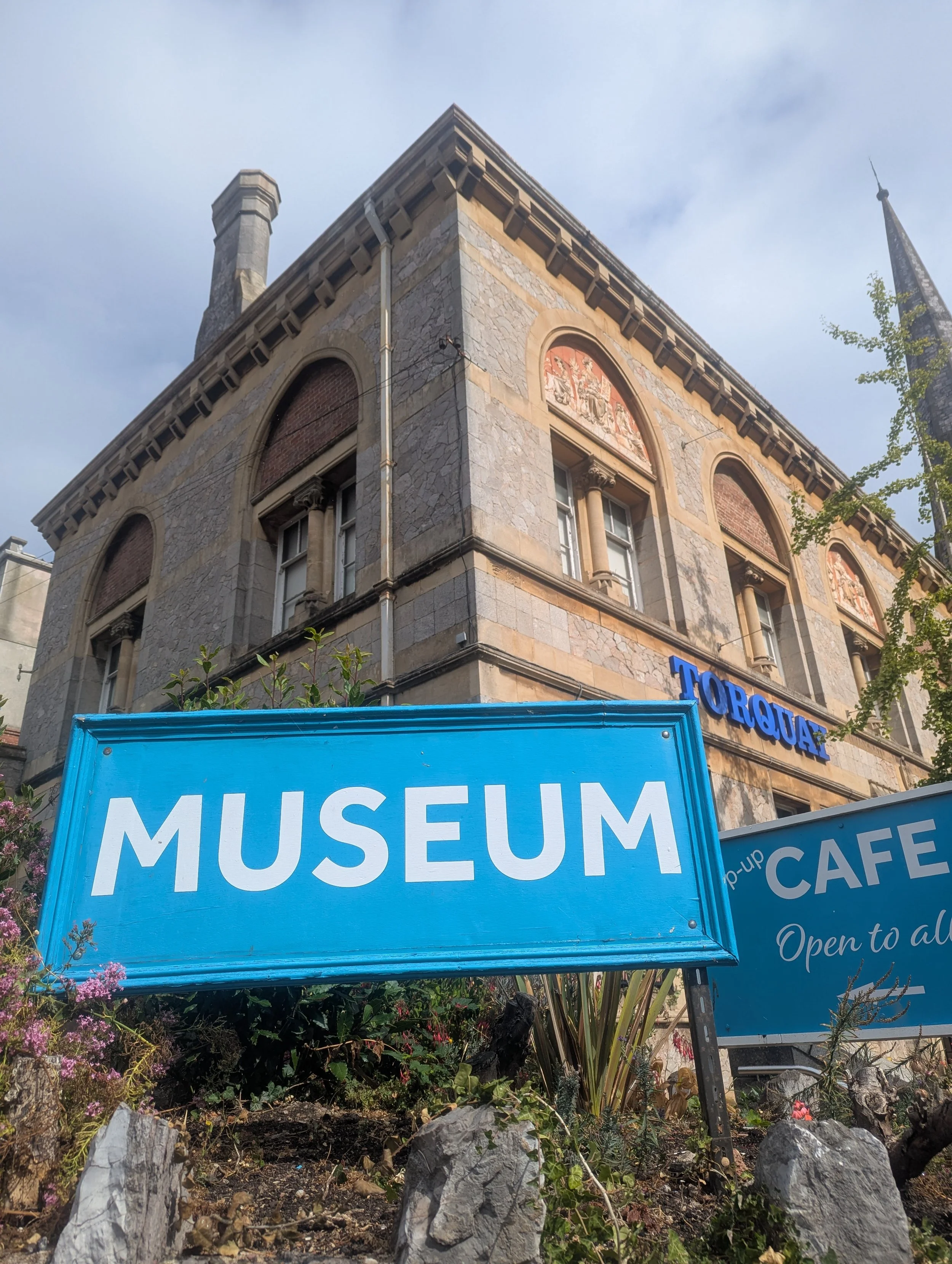
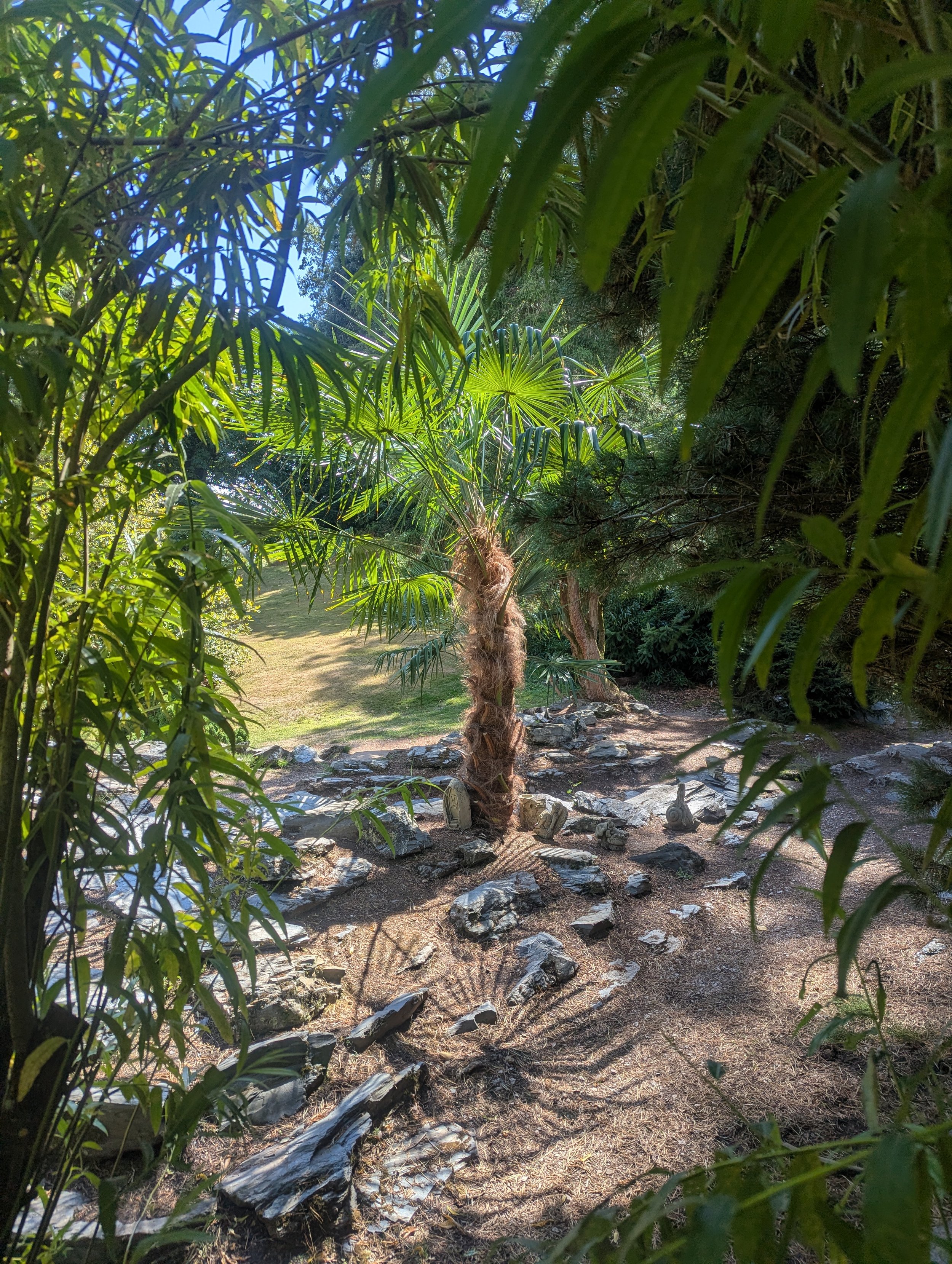
So, where to begin? I guess the easiest way to try not to forget anything is to work through my visit somewhat chronologically, and, consulting my workbook, go through the learnings and questions that I’ve begun to pull together. I can’t stress enough though that this report currently is a research log primarily for myself - this information will likely be rambling and tangential, and if you’d rather just circle back once all of my distillation and narrative structuring is done, that’s cool. Show-and-tell sessions featuring some of this research will also be held in-person in early 2027. But let’s begin with institution one: Kew Gardens.
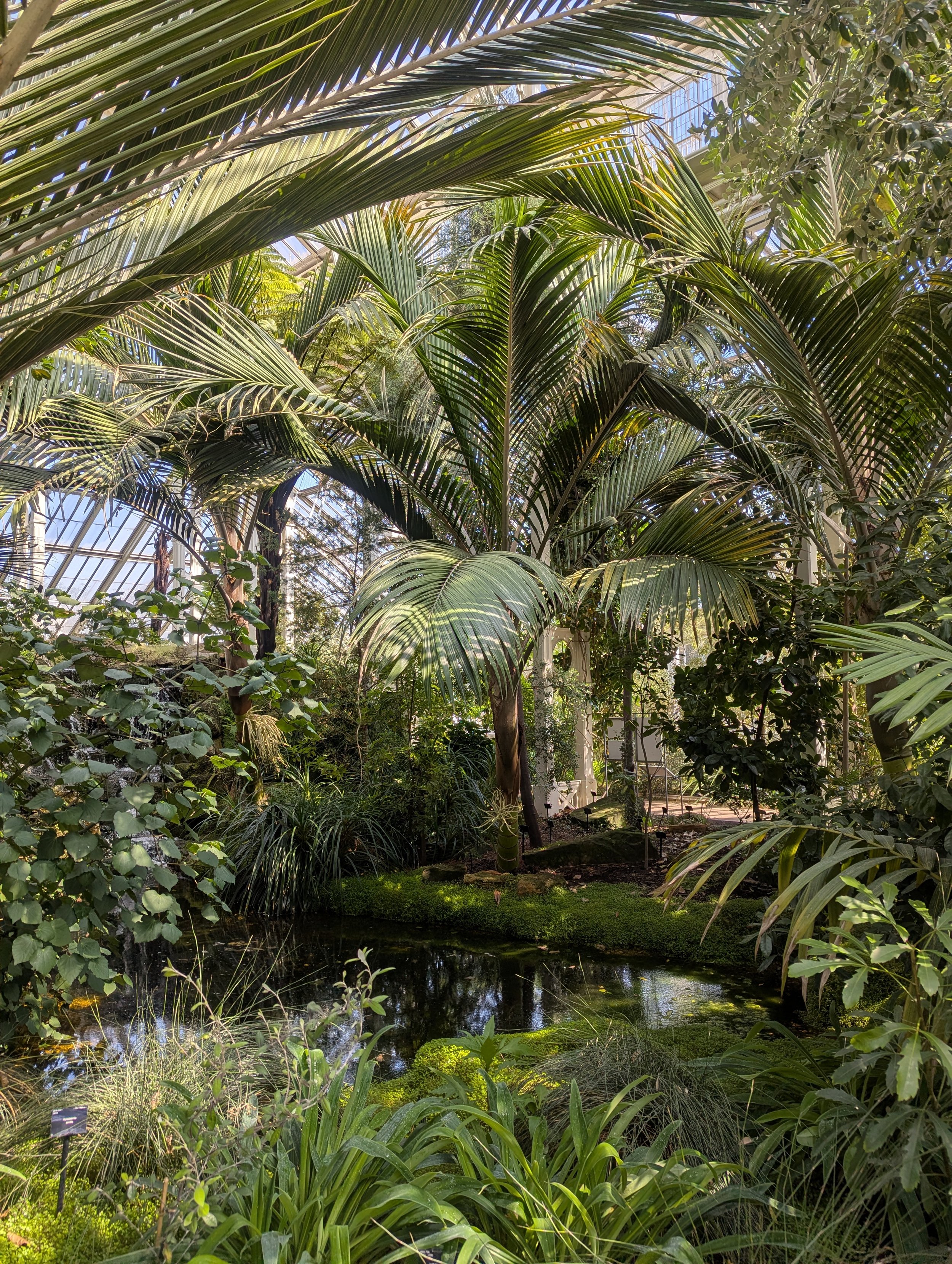
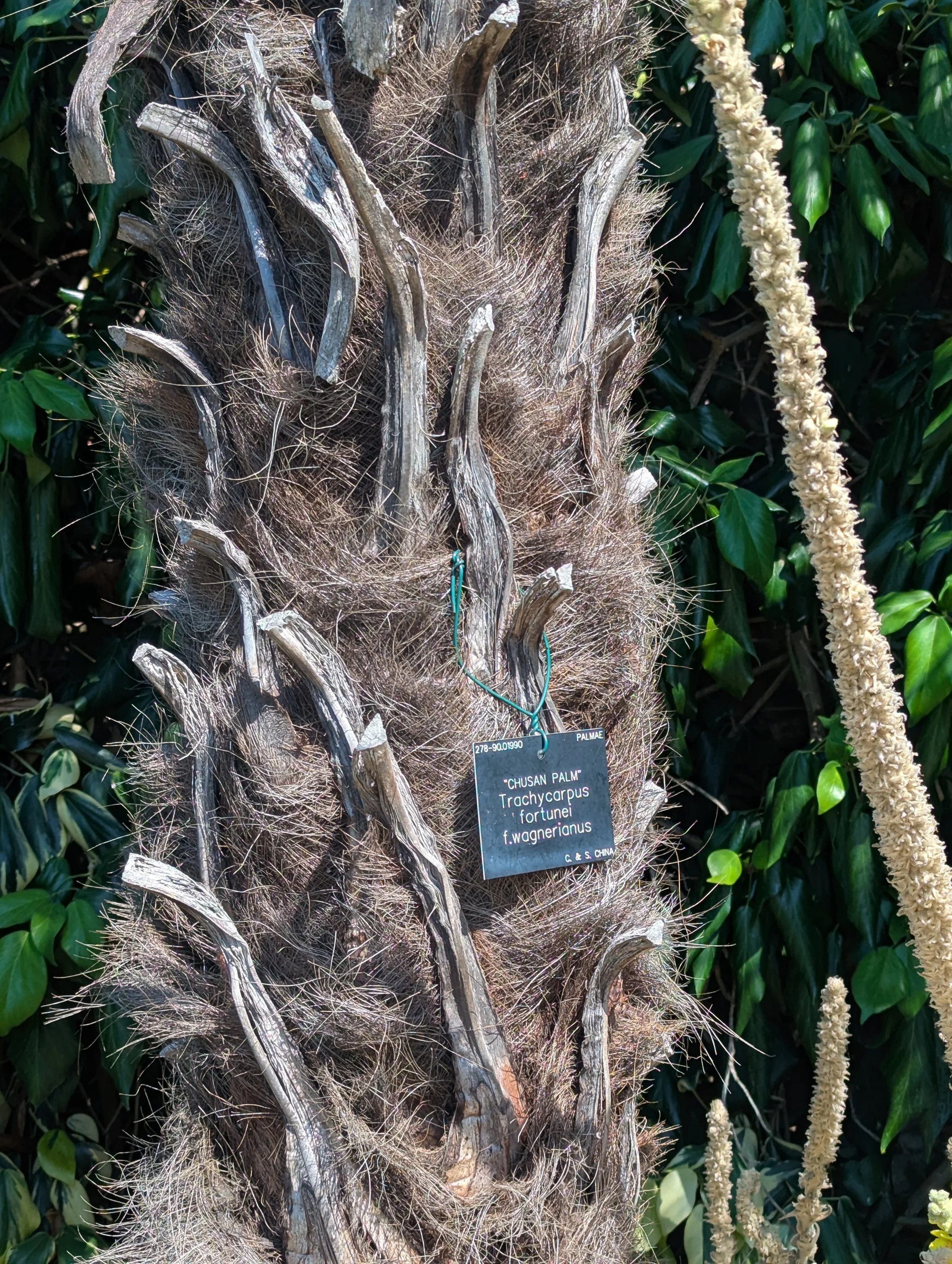
When planning this trip, I scheduled in two days at Kew. This was because I knew I would want to explore with my camera, but also because I was keen to book a second day on the return leg of the journey, with enough time to access the reference library and Marianne North Gallery. Oh my goodness, I’m glad that I did. It turns out Kew Gardens is enormous, and in the week of my first visit recorded its highest-ever on-site temperatures (though fortunately not the day I was there)! The heat and the scale of the place meant that progress exploring the glasshouses and gardens was slow and sticky, and very much took the entire glorious day of wandering with my dear friend Jacob. I confess I struggled to locate my three focus species in the glasshouse - perhaps as they’re so acclimatised to southern-English climates that they’re not in there at all - but found both trachies and phoenixes, and of course cordylines, in various places outside.
If you’re lost already, don’t worry, there’s more on my three focus species here.
For my second Kew visit, I had requested access to a whole host of reference documents 7-days prior, which forced me to learn how to navigate three separate cataloguing systems (archives, libraries and illustrations) which was more challenging than I’d care to admit. I guess I’ve gone from pretty much zero research experience aside from googling things, to diving in head first and seeing a lot in a short space of time. I confess that I was naïve too in my request for 7 documents, and as delighted as I was to see my trolley of books and artefacts trundling toward me, I ran out of time. I don’t know why I thought I’d be able to read and make notes on numerous texts and artefacts in a matter of hours, but unfortunately there were things I didn’t get a chance to dig into before I had to let the staff finish their shifts. So how to summarise my notes on what I did see? I have a six-page document of annotations and reflections which are helpful to me in cultivating a wider idea of how palms and cordylines were viewed in mid nineteenth-century botanical circles, but which might seem random otherwise.
For example, in A.B Rendle’s 1896 pamphlet ‘A British palm’ there was mention of Nipadites fruit (a kind of fossilised coconut) discovered on the Sussex coast, stretching my ideas of ‘native’ flora just as much as my ongoing reading of Thomas Halliday’s Otherlands is; and this chastising from William Robinson’s The English Flower Garden (fifth edition, 1896) gave me a good chuckle:
‘There is no more need to speak of the plants in our gardens by their Latin names than to speak of the dove or the rabbit by Latin names, and where we introduce plants that have no good English names we must make them as well as we may.’’ Well, consider me told.
The meat of this post I feel is still to come however so I’ll stop here with Kew for now, but I’d love to return. Due to copyright limitations, I can’t share images of some of these beautiful objects and frankly that pains me - especially the incredible portraits of an anonymous gardener posing with cordylines by Exeter photographer Owen Angel, who I have since found out died in 1909 but was working from 1855 until at least 1903 - but mark my words, if there’s ever an exhibition at the scale I would want it, Angel’s images will be alongside mine. Hopefully I can find out more about the gardener so beautifully pictured, and Angel’s studio in Exeter, in the coming months.
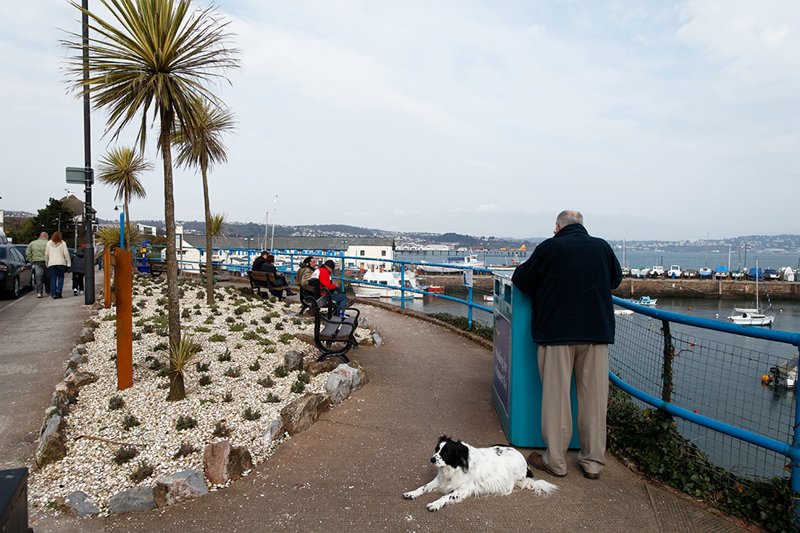
Image by Wayne Barrar.
Pictured: Cordyline australis, Paignton harbour
Oh! And also! At Kew I discovered Torbay tī kōuka, a photobook exploring my beloved Cordylines and their migration to Britain by New Zealand photographer Wayne Barrar. Whilst I managed a quick look during my Kew visit, I’ve since ordered a copy I found online, so that I can spend more time with the text at home. I will of course reach out to Wayne to discuss the project and his residency in Plymouth in more detail once I’ve had more time with the work, but will pop a photo of his from the book on the left.
I photographed in this exact location TWO DAYS before discovering this book in Kew Gardens. Previously, on christmas eve 2024, I shot one of these exact trees on colour 35mm against a pink sky and this shot went on to be featured in my 2026 calendar as ‘June’. June was the month I found out I’d got the Open Fund grant from Creative Scotland too. This is all amazing to me, these little links across time and space.
Next, I’ll try and quickly recount some of the discoveries at Torquay Museum, of which there were many. I lived in Torquay between the ages of 12 and 18, but didn’t really know what to expect from the archive. Again, it’s one of those weird realisations when you’ve not done any research before that these collections exist and are available to the public, should you ask to see them. Why does that feel like a cheat code? It seems miraculous to me in the age of digital overwhelm and direct ‘this is how you should be feeling’ visual culture that actually fact-finding is something open to so much nuance and interpretation. I get it, that might sound daft. But when your daily life involves googling information numerous times a day (sometimes numerous times an hour) - especially since the integration of AI doing your thinking for you and telling you, in response, a concrete ‘answer’ - to see rows and rows of collections of things (butterflies, shells, taxidermy birds, seaweeds, photographs) donated entirely in anticipation of someone else’s curiosity and critical attention is heartening, it’s human.
It’s tactile and vulnerable and fleshy in a way that only folders of yellowed paper and handwritten annotations can be. They’re not saying they’re the answer. The critical element, the linking up and deciding, that’s left to you. I hope we don’t lose that.
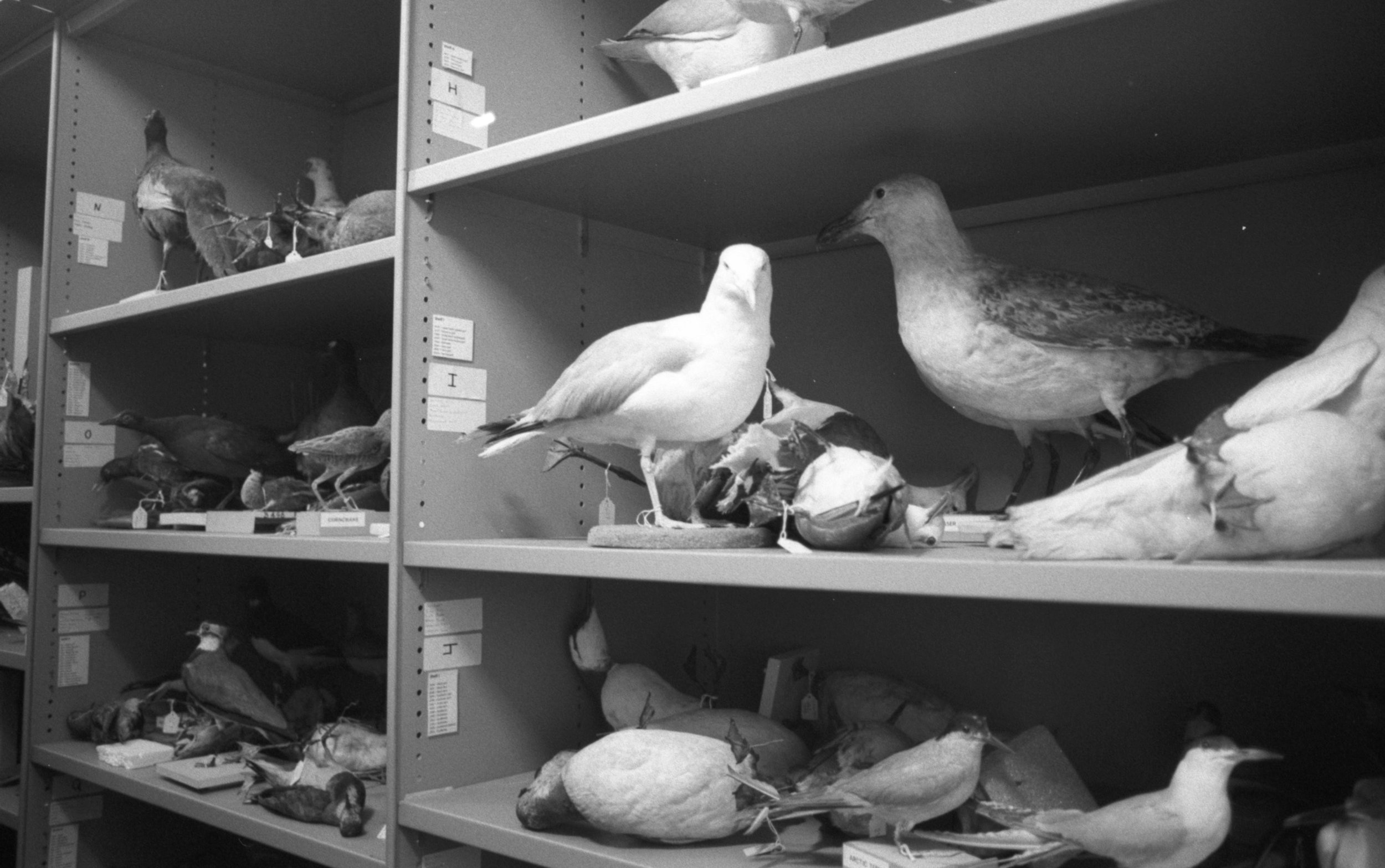
Low-res scan from Torquay Museum, a whole shelf of seagulls! August 2026
But I digress again, back to topic. My time at Torquay Museum was a gift: welcomed by Selene who had prepared a host of materials for me, from her own searches, using the species I had provided and some other prompts. This is one of my true marvels here and at Kew: that you can come to a collection with a question or starting point and a wonderful person will prepare a roster of materials of interest. With Selene it was a double gift because I could feel how much she enjoyed my enthusiasm, and I can imagine it too: the glee of sharing all this with interested eyes, when it spends most of its life(or afterlife, I suppose) tucked away. Selene was so generous with her time, guiding me through boxes of photographs and the digital database for over 2 hours, and answering my many questions (not all of which were even relevant to palms). Again, I’m afraid I can’t share any images of the documents and photographs, but it was fascinating to see early photographs from across Torbay, including various places I was familiar with.
One photograph showed the palm house at Torre Abbey in February 1968, just before it was replaced with a new structure. And who do we see amongst the fronds? A small man in a suit touching the plants at his waist, labelled on the surviving sheet only as ‘gardener tending his plants’. He is not acknowledged by name, though I’m sure with more digging we could find it. 1968 doesn’t feel too far away, He is featured centrally in the two photographs of the Abbey palm house, surrounded by foliage, anonymous but with purpose.
An image of Rock Walk from 1909 was annotated ‘grown by Mr. Dyer’, the fact that he is named to me indicating he held a wider significance. It also suggests pride in how palm planting and the appearance of public spaces as botanical sites, with real people behind the arrangements, and real thought into how they would be enjoyed. Interesting when compared to some of today’s treatment of these spaces.
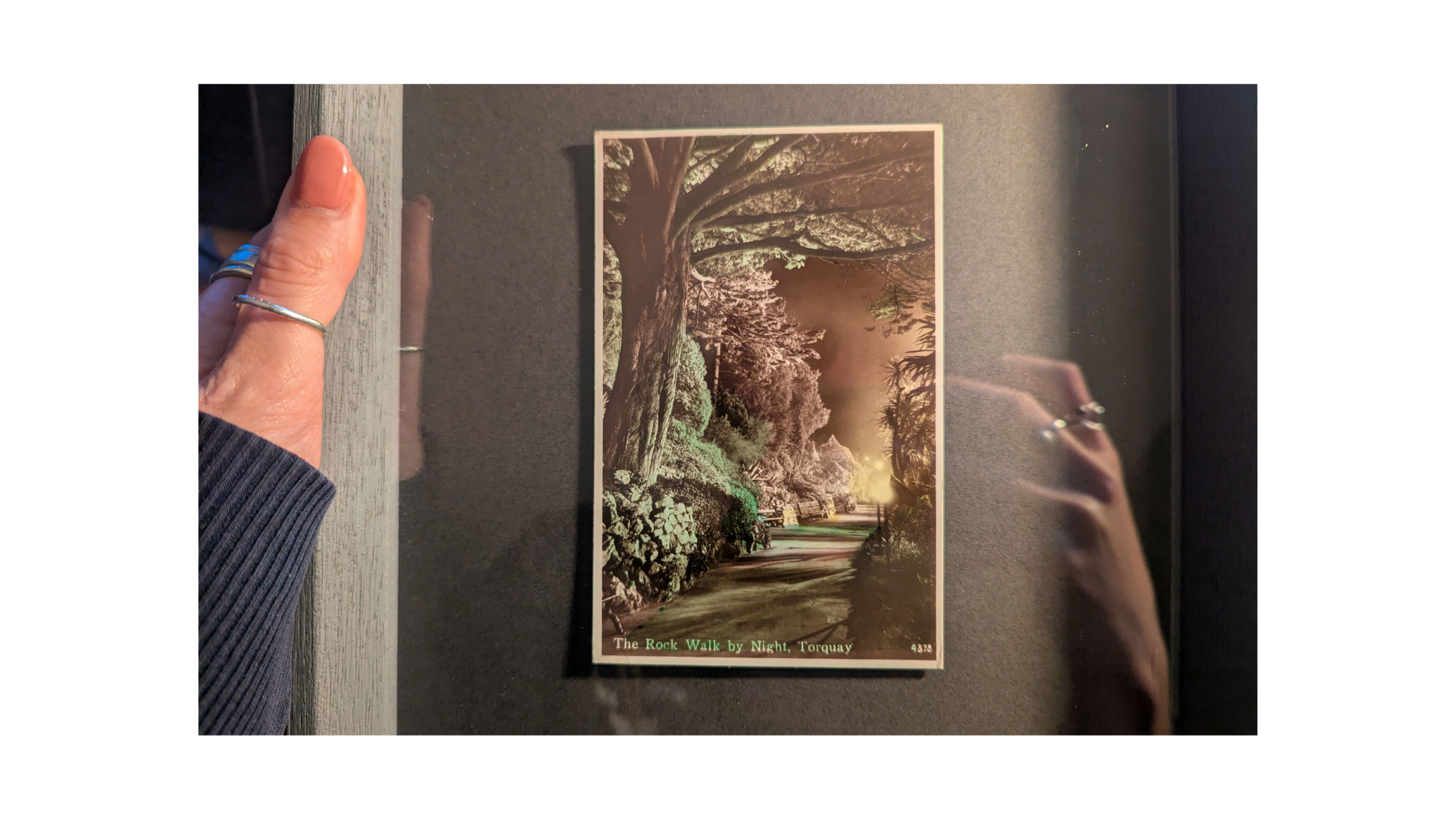
A vintage hand-coloured postcard of Rock Walk from my own collection, which hangs on my bedroom wall
And one incredible final photograph which you will have to imagine for now, showed a float decorated for a town fair. A cart pulled by a horse is pictured, with five men standing around or atop it. The cart display is alive with plants, crowded with brilliant fan palms and cordylines, an explosion of sharp fronds amongst curlier foliage. Even the wheels were adorned with flowers, and two ornate, hand-made banners read: ‘OUR PUBLIC GARDENS’. What a sense of pride, what joy. They are anonymous now but they surely weren’t then, not in such a public display. Eight men immortalised in these few photographs: Mr Dyer, Angel’s sitter, the Torre Abbey gardener tending his plants, connected across some 60 years through the plants they gave life in a new part of the world. Perhaps it’s my own sentimentality or bias speaking here, wrongly or rightly, but amongst all of this I find it hard to reconcile the damage of extractive botany and colonialism with those pictured; the tender men that spent their hours helping things grow, and decorating a horse and cart with petals.
But. Before I drift too far - my sketchbook is really the place for the philosophical questions and ‘drifting’ for now - my Torquay Museum visit and subsequent research and reading has confirmed another big discovery/piece of the Torbay palm puzzle: Dr Robert Hamilton Ramsay.
I had previously read a little about Ramsay in a local history facebook group, where Tim Eley’s post detailed Ramsay moving to Torbay in the 1860s and starting the ‘Duncan House’ experiment to try and cultivate a sub-tropical climate in one of the sheltered and sunny alcoves of Torquay. I had noted then to find Duncan House as it exists now, to photograph it of course, and see what evidence I could find to back up this account of Dr Ramsay as a potential starting point for publicly planted cordylines and palms. It’s important to acknowledge that Torquay in the mid-1800s was an affluent spa town, and I read somewhere along the way that at one point in the nineteenth century more royals had residences in the bay than anywhere else in the United Kingdom.
We can safely assume therefore that cordylines and palms were being privately planted and nurtured earlier than the 1860s, as was the fashion. But I’m interested more specifically in trying to ascertain when these plants first found their way into public landscapes and plantings as the beginning of a broader transformation of place.
Other recent research on Dr Ramsay shared by Michael Tracy, who gratefully agreed to share the summary of his research with me, suggests Dr Ramsay was actually born here in Edinburgh (possibly at 8 Shandwick Place, incredibly, which I have walked past at least weekly for at least the last 3-years). Now I don’t think this will excite anyone half as much as it excites me. Ramsay studied at the University of Edinburgh and Glasgow University, was a prominent surgeon amongst many other things, and apparently a key figure in various important social circles. It’s also fair to assume that he likely sourced his cordyline and palm seeds for Duncan House (and the eventual transformation of the Devonshire landscape in Torbay) from RBGE. What!!!!!! Is!!! This! World!!
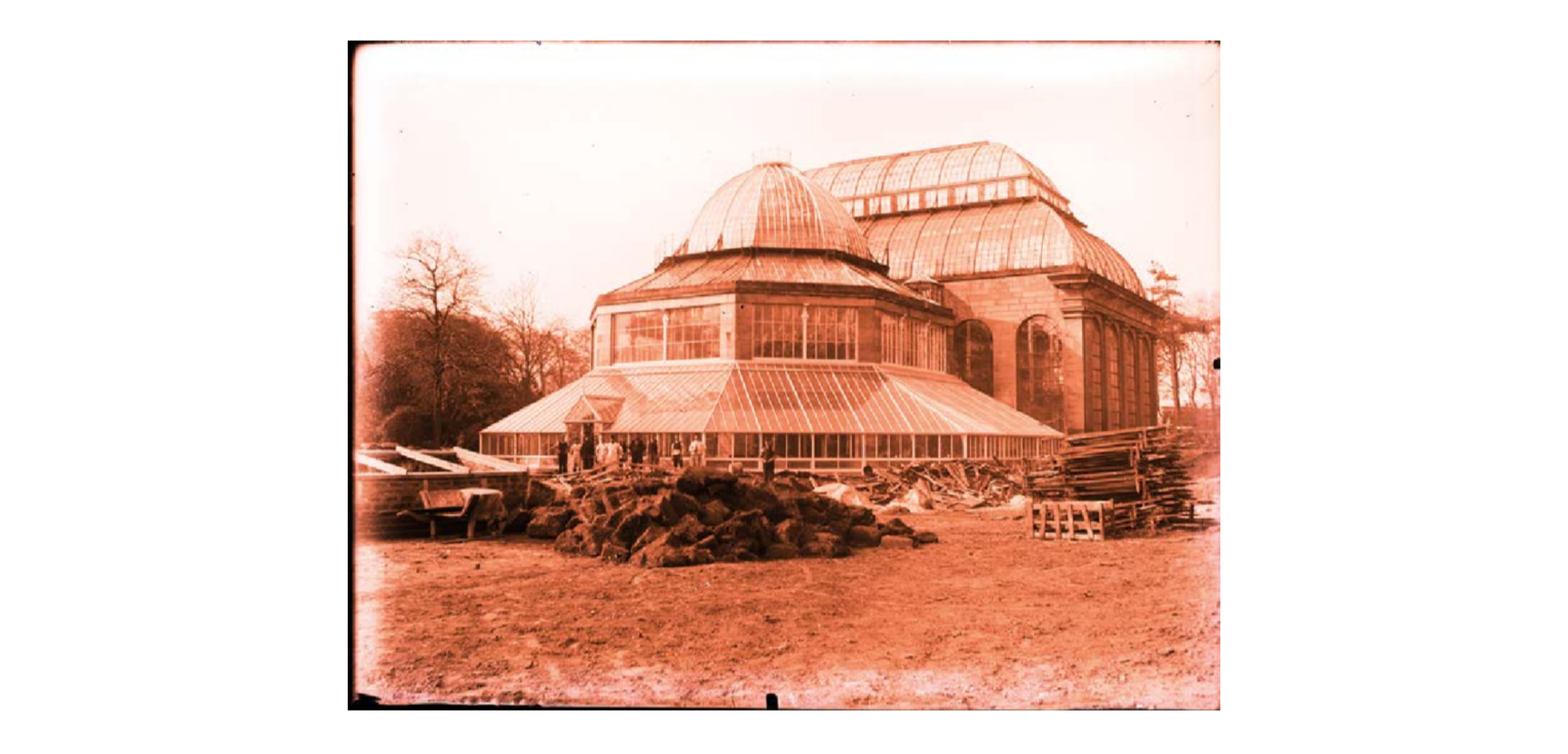
Tropical Palm House 1893. Photo: David Sydney Fish, RBGE Archives.
What are the chances? Honestly, what a coincidence that the man who seems to have spearheaded the introduction of these plants to Torbay’s public landscape came from this city. There are only two places in my lifetime that I have really considered home and I share them both with him. He was buried at Hele Cemetery in 1907, a stone’s throw from where my nanny Williams would be brought up 27 years later, in a landscape likely in rapid transformation. Somehow this makes all this theoretical thinking so much more tangible, much closer. It’s all so new, the place I grew up in and assumed had always been that way. I’ll of course be combing the RBGE archives and collections to see if there’s any reference to seeds being bought/ transported by Ramsay to Torbay, because it would be miraculous to find confirmation. I noticed a large amount of letter correspondence in the Kew archives, so fingers crossed.
Selene managed to find two photographs in the Torquay Museum collection taken by Ramsay himself, both purportedly from Duncan House, and both showing healthy and significant cordylines, and in the background what looks like trachies or other fan palms also thriving. Interestingly, especially when considering public gardeners as earlier, the card these photographs have been recorded on cites that Ramsay was elected president of the Gardeners’ Association in 1894, and also indicates that it was Ramsay who was responsible for inciting the Town Council to plant cordylines more widely in the local area. I should clarify, the annotations were not from Ramsay himself, but made at a later date by a scrapbooking group.
But another question arose from these images - a reference to dracenas, also seen referenced elsewhere as dracaenas, as Torbay palms. Hmm. After some googling, it seems that Cordyline and Dracaena (and Yucca) are different plants, but all members of the Asparagaceae family. They look incredibly similar and in fact, in William Robinson’s The English Flower Garden referenced earlier, the index entry for ‘Dracaena’ simply listed ‘See Cordyline’. That tracks, they would have to look fairly identical to both be branded the ‘Torbay palm’, but I want to be confident with my identification. In Ramsay’s photograph, the two trees referred to as Dracena [sic.] do look different to the taller cordylines visible on the left. Different plants. Different ‘torbay palms’. Meaning bends again! Online sources suggest you can identify the different species via the roots, but I’m keen to ask someone with a better gardening and botanical brain for a consensus. Hopefully this will be confirmed in the next couple of months so that I can feel confident in the various things I’m snapping, and collecting to make chemistry.
Ok, this is getting pretty long now, I’ve not yet talked about Bicton Park but I should likely wrap up, but not before noting the incredible enthusiasm of Janet at Totnes Image Archive, who has been so helpful. This volunteer-run community collection is only twenty minutes outside of Paignton and it was great to visit briefly and have a peek at the digital catalogue. I still need to properly digest some of the information Janet sent me, but have been swept up in the Dr Ramsay excitement and the gnawing need to also immediately process, digitise and print my own photographs from the trip.
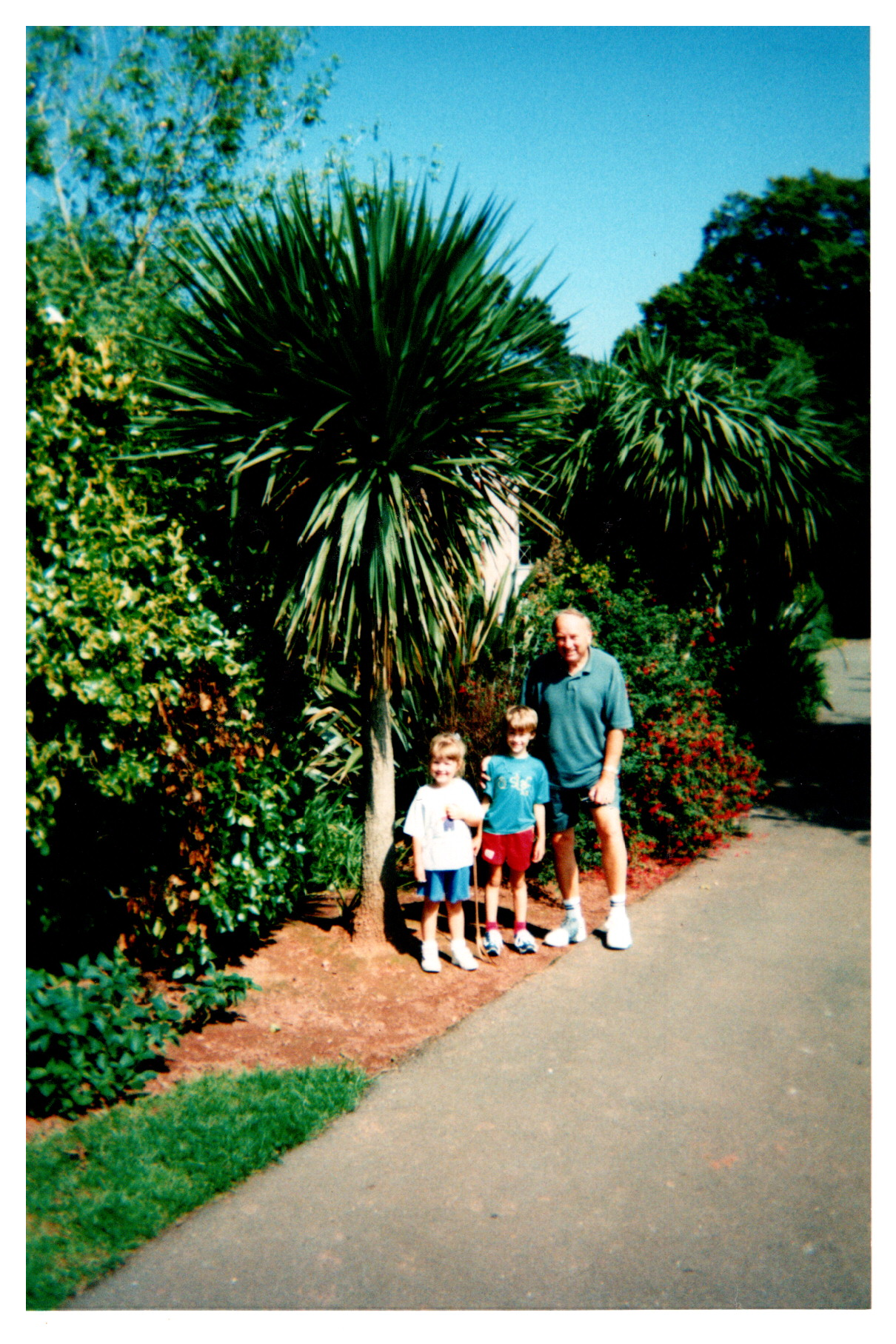
Shoutout also to Paignton Library for being brilliant and allowing me to use the scanner with a guest pass, so I could digitise some of my personal family archive as visible on right.
I was hunting for a particular photo I thought existed in the first house we lived in in Paignton. We looked through all of my mum’s various albums and couldn’t find it, I’m tempted to think it was only in my mind. A mash-up perhaps of the image on the right and many other photos in my mum’s albums that showed our front drive. There’s also the possibility that it was someone else’s, I have always loved looking through family albums so it’s plausible. I’m grateful to my mum for photographing my sunny Torbay childhood before I was interested in doing so.
Image credit: Janice Webber, image showing my grandad, brother and I with a Cordyline in Victoria Park, approx. 1997
But ok, this is enormous. Thanks for reading if you did - I’m not still sat in the study above Gulp Fiction by the way, I’m now at my desk in South Queensferry and I’m meant to be doing something else entirely but keep getting sucked in. Writing. It’s a weird thing that both floods out of me and halts me completely. I overthink and overthink and wonder, ‘is this too much?’ ‘is this enough?’ at the same time. Well, either way, I’m still here and whilst a month delayed (!) I’m still writing, still posting, and in the interim of all that I’ve been back into the darkroom for the first time in a long time. More on that to come in FRONDS report #3…
Until then, warmly,
Christina